
If you’re looking for practical career development tips, you’re already taking an important step toward building a successful future. Career growth doesn’t happen overnight, and it rarely happens by accident. Instead, it comes from making consistent efforts to improve your skills, expand your knowledge, and build meaningful professional relationships. Whether you’re just starting your career, looking for a better job, planning a career change, or working toward a promotion, the right career development strategies can help you reach your goals faster.
Career development is more than simply earning a paycheck. It’s about creating a fulfilling career that aligns with your interests, strengths, and long-term ambitions. Every new skill you learn, every challenge you overcome, and every connection you make contributes to your professional growth.
In this complete guide, you’ll discover practical career development tips, understand why career development is important, and learn how to build a successful career through continuous learning, smart planning, and personal growth.
What Is Career Development?
Career development is the ongoing process of improving your professional skills, gaining valuable experience, expanding your knowledge, and preparing yourself for better career opportunities. Unlike a one-time achievement, career development is a lifelong journey that evolves as your interests, goals, and industries change.
Career development involves:
- Learning new skills
- Gaining practical work experience
- Improving communication abilities
- Building professional relationships
- Setting career goals
- Developing leadership qualities
- Adapting to new technologies
- Continuing education
Think of your career as a long road rather than a destination. Every job, project, certification, or challenge adds to your experience and helps shape your future.
Why Career Development Is Important
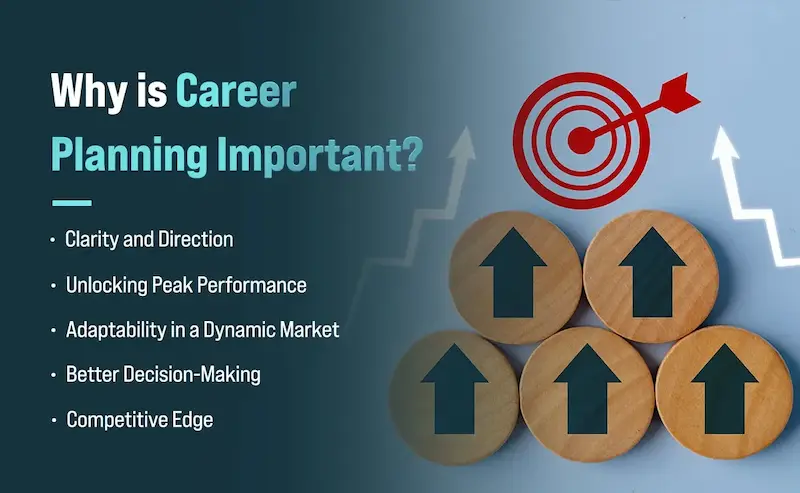
Investing in your career today creates opportunities for tomorrow. People who actively work on their professional development often enjoy greater job satisfaction, higher salaries, and stronger career stability.
Here are some of the biggest benefits of career development:
Better Job Opportunities
Employers prefer candidates who continuously improve themselves. Learning new skills and staying updated with industry trends makes you a stronger candidate for promotions and new job opportunities.
Higher Income Potential
As your expertise grows, so does your value in the workplace. Employees with advanced skills and certifications often qualify for better-paying positions.
Increased Confidence
Learning new skills builds confidence. When you know you’re capable of handling challenges, you’ll perform better during interviews, presentations, and workplace discussions.
Greater Job Security
Industries constantly evolve. Employees who continue learning remain valuable even as technology and workplace demands change.
Personal Satisfaction
Career growth isn’t only about earning more money. Achieving goals, solving problems, and making meaningful contributions to your organization creates a sense of accomplishment and purpose.
Top Career Development Tips
1. Set Clear Career Goals
One of the most effective career development tips is to define exactly what success means to you. Without clear goals, it’s easy to lose direction or miss valuable opportunities.
Ask yourself questions like:
- Where do I want to be in five years?
- What type of work excites me?
- Which industries match my interests?
- What salary or position am I aiming for?
- What skills do I need to achieve my goals?
Once you’ve identified your goals, divide them into short-term and long-term objectives.
Example
Instead of saying:
“I want a better job.”
Create a specific goal like:
“I want to become a project manager within three years by completing a project management certification, improving my leadership skills, and gaining experience managing small projects.”
Clear goals give you direction and help you measure your progress.
2. Never Stop Learning
Learning doesn’t end after graduation. Successful professionals understand that continuous learning is essential for career growth.
Technology, workplace practices, and customer expectations constantly change. Staying updated helps you remain competitive.
Ways to continue learning include:
- Online courses
- Professional certifications
- Company training programs
- Books
- Industry blogs
- Podcasts
- Webinars
- Workshops
- Conferences
Even spending 20–30 minutes each day learning something new can make a significant difference over time.
Benefits of Continuous Learning
- Better problem-solving skills
- Improved confidence
- Higher productivity
- More promotion opportunities
- Greater adaptability
Remember, learning is an investment that pays lifelong dividends.
3. Improve Your Communication Skills
Strong communication is one of the most valuable workplace skills. No matter how talented you are, your success depends on your ability to communicate clearly with coworkers, managers, and clients.
Good communication includes:
Verbal Communication
Speak clearly, confidently, and respectfully during meetings and conversations.
Written Communication
Write professional emails, reports, and messages using simple, clear language.
Listening Skills
Listen carefully before responding. Active listening helps avoid misunderstandings and strengthens relationships.
Presentation Skills
Being able to present ideas confidently can increase your visibility within your organization.
Non-Verbal Communication
Your body language, eye contact, facial expressions, and posture all influence how people perceive you.
Professionals with excellent communication skills often become trusted leaders.
4. Build Both Technical and Soft Skills
Employers look for candidates who combine technical expertise with strong interpersonal abilities.
Technical Skills
These are job-specific abilities, such as:
- Data analysis
- Programming
- Graphic design
- Digital marketing
- Financial analysis
- Project management
- Artificial intelligence
- Cybersecurity
Soft Skills
Soft skills help you work effectively with others.
Important soft skills include:
- Leadership
- Critical thinking
- Emotional intelligence
- Adaptability
- Creativity
- Teamwork
- Time management
- Conflict resolution
- Decision-making
Technical skills may help you get hired, but soft skills often determine how far you’ll advance.
5. Build a Strong Professional Network
Networking is one of the most powerful ways to grow your career. Many job opportunities are filled through referrals before they’re publicly advertised.
Networking isn’t about asking strangers for jobs. It’s about building genuine relationships with professionals who share similar interests.
Ways to network include:
- Attend industry events
- Join professional organizations
- Participate in webinars
- Connect on LinkedIn
- Volunteer at industry conferences
- Join online communities
- Stay in touch with former coworkers
Strong relationships often lead to mentorship, career advice, referrals, and business opportunities.
6. Find a Mentor
A mentor is someone with experience who can guide you through your career journey.
A good mentor helps you:
- Avoid common mistakes
- Build confidence
- Improve leadership abilities
- Expand your network
- Develop better decision-making skills
- Learn from real-world experience
You don’t always need a formal mentoring program. Sometimes a supportive manager, experienced coworker, professor, or industry expert can become an excellent mentor.
7. Ask for Constructive Feedback
Many professionals avoid feedback because they fear criticism. However, constructive feedback is one of the fastest ways to improve.
Ask questions like:
- What am I doing well?
- Which skills should I improve?
- How can I become more effective?
- What should I focus on next?
Instead of taking feedback personally, treat it as valuable information that helps you grow.
8. Take Initiative
Successful employees don’t simply complete assigned tasks—they look for opportunities to contribute beyond their job description.
Examples include:
- Volunteering for new projects
- Suggesting process improvements
- Helping coworkers
- Solving workplace problems
- Learning additional responsibilities
Taking initiative demonstrates leadership potential and makes you more valuable to your employer.
9. Improve Your Time Management
Time is one of your most valuable resources.
Poor time management leads to stress, missed deadlines, and lower productivity.
Improve your time management by:
- Planning your day in advance
- Prioritizing important tasks
- Breaking large projects into smaller steps
- Limiting distractions
- Avoiding unnecessary multitasking
- Reviewing your daily progress
Managing your time effectively allows you to accomplish more while maintaining a healthier work-life balance.
You may also like to read this:
Personal Development Skills To Improve Your Life
Confidence Building Tips To Boost Self-Belief & Success
Positive Mindset Habits To Improve Your Life
Personal Growth Goals: Achieve Self Improvement
Career Success Tips To Achieve Your Professional Goals
10. Develop Leadership Skills
Leadership isn’t limited to managers. Every employee can develop leadership qualities.
Strong leaders:
- Take responsibility
- Support teammates
- Solve problems calmly
- Communicate clearly
- Make informed decisions
- Inspire others
- Handle conflict professionally
Developing leadership skills prepares you for promotions and greater responsibilities.
11. Stay Updated with Industry Trends
Industries change rapidly. New technologies, regulations, and customer expectations create both opportunities and challenges.
Stay informed by:
- Reading industry publications
- Following experts on LinkedIn
- Listening to professional podcasts
- Joining industry associations
- Attending conferences
- Participating in webinars
Being informed helps you make better career decisions and remain competitive.
12. Build Your Personal Brand
Your personal brand is your professional reputation.
Ask yourself:
- What do people think when they hear my name?
- What skills am I known for?
- What value do I provide?
Build your brand by:
- Sharing useful content online
- Updating your LinkedIn profile
- Writing articles
- Speaking at events
- Helping others
- Demonstrating professionalism
A strong personal brand increases your credibility and attracts career opportunities.
13. Stay Adaptable
Today’s workplace changes quickly due to technology, automation, and evolving business needs.
Adaptable professionals:
- Learn new software
- Accept change positively
- Embrace continuous learning
- Stay flexible
- Solve unexpected problems
Adaptability helps you remain valuable regardless of industry changes.
14. Maintain a Positive Attitude
A positive attitude improves teamwork, productivity, and workplace relationships.
Practice:
- Gratitude
- Patience
- Optimism
- Professionalism
- Respect
- Resilience
Positive employees often become trusted team members and future leaders.
15. Invest in Your Long-Term Growth
Career development is a marathon, not a sprint.
Continue investing in yourself by:
- Reading regularly
- Taking advanced courses
- Earning certifications
- Building relationships
- Setting new goals
- Reflecting on your progress
Small improvements made consistently over several years can lead to remarkable career success.
Common Career Development Mistakes
Avoid these common mistakes:
- Not setting clear goals
- Ignoring feedback
- Avoiding networking
- Refusing to learn new skills
- Staying in your comfort zone
- Poor time management
- Giving up after setbacks
- Failing to build relationships
- Neglecting work-life balance
- Waiting for opportunities instead of creating them
Learning from these mistakes can save years of frustration.
Final Thoughts
Following these career development tips can help you build a rewarding and successful professional life. Career growth doesn’t happen overnight, but every step you take today contributes to your future success. Set meaningful goals, keep learning, strengthen your communication and leadership skills, build valuable professional relationships, and remain adaptable as industries evolve.
Remember that no career path is perfectly straight. Challenges, setbacks, and unexpected opportunities are all part of the journey. Instead of fearing change, embrace it as a chance to grow. With dedication, continuous learning, and a positive mindset, you can create a career that offers not only financial stability but also personal satisfaction and long-term success. Every small improvement you make today brings you one step closer to achieving your professional dreams.
Frequently Asked Questions (FAQs)
1. What are career development tips?
Career development tips are practical strategies that help you improve your skills, gain experience, and advance in your professional life. These tips include setting career goals, learning new skills, networking, seeking mentorship, and continuously improving your performance.
2. Why is career development important?
Career development is important because it helps you stay competitive in the job market, improve your skills, increase your earning potential, and achieve long-term career goals. It also boosts confidence and opens the door to better job opportunities.
3. How can I improve my career development?
You can improve your career development by setting clear goals, taking online courses, earning certifications, building professional relationships, asking for feedback, improving communication skills, and staying updated with industry trends.
4. What skills are most important for career development?
Some of the most valuable skills for career development include:
Communication skills
Leadership skills
Time management
Problem-solving
Critical thinking
Teamwork
Adaptability
Digital and technical skills
Emotional intelligence
5. How often should I update my career goals?
It’s a good idea to review your career goals every 6 to 12 months. Regular reviews help you track your progress, adjust to industry changes, and set new objectives as your experience and interests grow.