
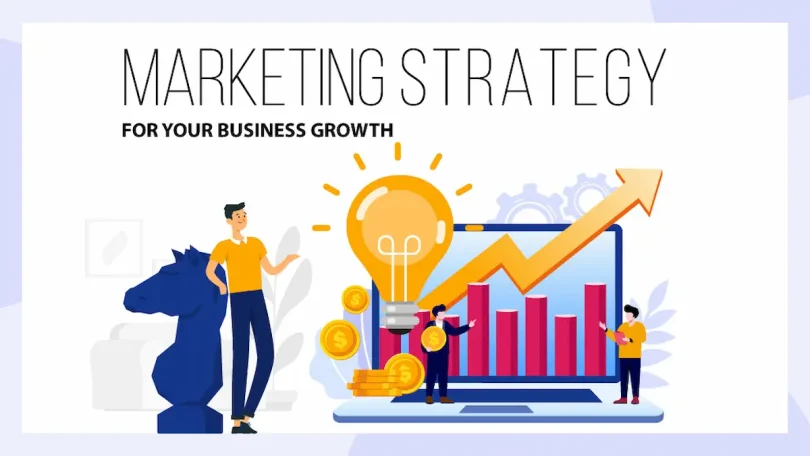

Business marketing strategies are the plans and techniques you use to promote your products or services, attract customers, and grow your brand. Whether you run a small business or a large company, having the right marketing strategy helps you reach the right audience, build trust, and increase sales. In today’s competitive world, you cannot depend only on traditional advertising; you need smart, customer-focused approaches that create real connections.
Marketing is not just about selling something. It is about understanding your customers, solving their problems, and showing them why your business is the right choice. With the right strategies, you can improve your online presence, attract more visitors, and turn potential customers into loyal buyers.
What Are Business Marketing Strategies?
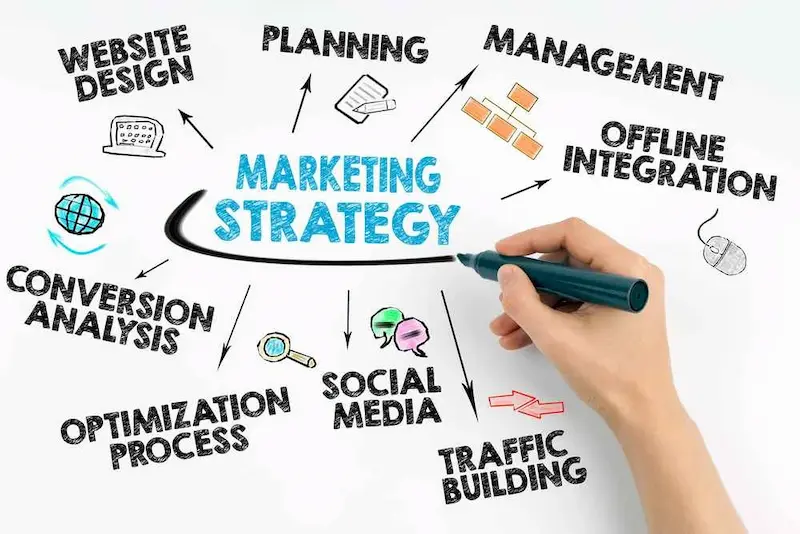
Business marketing strategies are detailed plans that help a company promote its products, services, and brand. These strategies include different methods such as digital marketing, content creation, social media promotion, email campaigns, search engine optimization, and customer relationship building.
A good marketing strategy answers important questions:
- Who are your target customers?
- What problems do they need to solve?
- Where can you reach them?
- How can you make your business stand out?
- What actions will encourage them to buy from you?
A successful strategy combines research, creativity, and consistent effort to achieve business goals.
Why Are Business Marketing Strategies Important?
Without a proper marketing plan, even a great product can struggle to get attention. Effective marketing strategies help your business in many ways:
1. Increase Brand Awareness
Marketing helps people discover your business. When customers repeatedly see your brand through social media, search engines, advertisements, or content, they become more familiar with it.
A strong brand presence builds recognition and makes customers more likely to choose your business.
2. Reach the Right Audience
Not every person is your potential customer. Good marketing strategies help you identify and target people who are most likely to need your products or services.
Understanding your audience allows you to create messages that connect with their interests and needs.
3. Generate More Sales
The main goal of marketing is to attract customers and increase revenue. By using effective promotional methods, you can bring more qualified leads to your business and improve conversion rates.
4. Build Customer Trust
Customers prefer businesses they trust. Sharing valuable information, responding to customers, and maintaining a professional online presence helps build long-term relationships.
Best Business Marketing Strategies to Grow Your Business
1. Content Marketing
Content marketing is one of the most powerful ways to attract and educate customers. Instead of only promoting your products, you provide useful information that helps your audience.
Examples of content marketing include:
- Blog posts
- How-to guides
- Videos
- Infographics
- Case studies
- Ebooks
For example, if you own a fitness business, sharing workout tips and healthy lifestyle advice can attract people interested in fitness.
Quality content builds authority and encourages customers to trust your expertise.
2. Search Engine Optimization (SEO)
SEO helps your website appear higher in search engine results when people search for products or services related to your business.
Important SEO practices include:
- Using relevant keywords
- Creating helpful content
- Improving website speed
- Optimizing page titles and descriptions
- Building quality backlinks
A strong SEO strategy can bring free organic traffic to your website and help you reach customers who are actively searching for what you offer.
3. Social Media Marketing
Social media platforms provide excellent opportunities to connect with your audience.
Popular platforms include:
- TikTok
- X (Twitter)
To succeed with social media marketing:
- Share valuable content regularly
- Respond to comments and messages
- Use attractive visuals
- Share customer reviews
- Create engaging videos
Social media allows businesses to build relationships and create a community around their brand.
4. Email Marketing
Email marketing remains one of the most effective ways to communicate with customers directly.
You can use emails to:
- Share new products
- Offer discounts
- Send newsletters
- Provide helpful tips
- Encourage repeat purchases
A personalized email campaign can help you maintain customer relationships and increase sales over time.
5. Influencer Marketing
Influencer marketing involves working with individuals who have an audience that trusts their recommendations.
When an influencer promotes your product, it can help you reach new customers and increase brand credibility.
Choose influencers who match your industry and have an audience interested in your products.
6. Paid Advertising
Paid advertising allows businesses to reach customers quickly. Platforms like Google Ads and social media advertising help you target specific audiences based on location, interests, and behavior.
Benefits of paid advertising include:
- Faster results
- Precise targeting
- Increased website traffic
- Better brand visibility
However, businesses should carefully manage their budget and track results.
7. Customer Referral Programs
Happy customers can become your best marketers. Referral programs encourage existing customers to recommend your business to others.
You can offer:
- Discounts
- Rewards
- Free products
- Special benefits
People often trust recommendations from friends and family, making referrals a powerful marketing tool.
8. Video Marketing
Video content has become extremely popular because it is easy to consume and highly engaging.
Businesses can create:
- Product demonstrations
- Tutorials
- Behind-the-scenes videos
- Customer testimonials
- Educational videos
Videos help customers understand your products better and create stronger emotional connections.
9. Local Marketing Strategies
If you operate a local business, focusing on your community can bring great results.
Local marketing methods include:
- Creating a Google Business Profile
- Collecting customer reviews
- Participating in local events
- Using location-based keywords
- Partnering with nearby businesses
These strategies help local customers find and trust your business.
10. Mobile Marketing
Many customers use smartphones to search, shop, and interact with brands. Your marketing strategy should consider mobile users.
Make sure:
- Your website works well on mobile devices
- Pages load quickly
- Emails are mobile-friendly
- Online purchasing is simple
A smooth mobile experience improves customer satisfaction.
You may also like to read this:
Focus Improvement Tips: Boost Concentration Every Day
Productivity Tips For Work: Boost Efficiency Every Day
Business Growth Strategies To Grow Your Business
Small Business Growth Strategies For Success
Business Growth Tips To Grow Your Business Successfully
How to Create an Effective Business Marketing Strategy
Creating a successful marketing plan does not have to be complicated. Follow these steps:
Step 1: Understand Your Target Audience
Research your customers’:
- Age
- Interests
- Buying habits
- Problems
- Preferences
The better you understand your audience, the better you can market to them.
Step 2: Set Clear Marketing Goals
Define what you want to achieve.
Examples:
- Increase website traffic
- Get more leads
- Improve sales
- Grow social media followers
- Increase customer retention
Clear goals help you measure success.
Step 3: Choose the Right Marketing Channels
Do not try to use every platform at once. Choose channels where your customers spend their time.
For example:
- B2B companies may focus on LinkedIn and email marketing.
- Fashion brands may benefit from Instagram and influencer marketing.
- Local businesses may focus on Google and community marketing.
Step 4: Create Valuable Content
Your content should educate, entertain, or solve problems. Avoid creating content only to sell.
Helpful content creates trust and encourages customers to choose your brand.
Step 5: Track and Improve Results
Use analytics tools to measure performance.
Track:
- Website visits
- Sales
- Engagement
- Email open rates
- Advertising results
Regular improvements help your strategy become more effective.
Common Marketing Mistakes Businesses Should Avoid
Many businesses struggle because of simple marketing mistakes.
Avoid these problems:
1. Not Knowing Your Audience
Trying to sell to everyone can weaken your marketing message. Focus on your ideal customers.
2. Ignoring Online Presence
Customers often search online before making purchases. A weak online presence can cause you to lose opportunities.
3. Inconsistent Marketing
Marketing requires consistency. Posting once in a while or stopping campaigns too quickly can reduce results.
4. Focusing Only on Sales
Customers want value, not just advertisements. Build relationships before asking for purchases.
5. Not Measuring Results
Without tracking performance, you will not know which strategies are working.
Future Trends in Business Marketing
Marketing continues to change as technology develops. Some important trends include:
Artificial Intelligence Marketing
AI tools help businesses analyze customer behavior, create content, and personalize marketing campaigns.
Personalization
Customers expect brands to understand their needs. Personalized recommendations and messages can improve engagement.
Short-Form Video Content
Short videos on platforms like TikTok, Instagram Reels, and YouTube Shorts continue to attract attention.
Voice Search Optimization
As voice assistants become more common, businesses need to optimize content for conversational searches.
Final Thoughts
Effective business marketing strategies help you connect with customers, increase brand visibility, and achieve long-term growth. The best approach is not to use every marketing method but to choose strategies that match your business goals and audience.
Start by understanding your customers, creating valuable content, building a strong online presence, and consistently improving your efforts. With patience and the right strategy, your marketing can become a powerful tool for business success.
FAQs About Business Marketing Strategies
1. What are business marketing strategies?
Business marketing strategies are plans and methods that businesses use to promote their products or services, attract customers, increase sales, and build brand awareness. These strategies can include SEO, content marketing, social media marketing, email marketing, advertising, and customer engagement.
2. Why are business marketing strategies important?
Business marketing strategies help companies reach the right audience, improve brand visibility, build customer trust, and increase revenue. A clear marketing plan allows businesses to compete effectively and achieve their growth goals.
3. What are the most effective business marketing strategies?
Some of the most effective business marketing strategies include:
Content marketing
Search engine optimization (SEO)
Social media marketing
Email marketing
Video marketing
Influencer marketing
Paid advertising
Referral programs
The best strategy depends on your business type, target audience, and goals.
4. How can small businesses use marketing strategies?
Small businesses can use affordable marketing methods such as social media marketing, local SEO, blogging, email newsletters, customer reviews, and referral programs. These strategies help small businesses reach more customers without requiring a large budget.
5. How does SEO help a business grow?
SEO helps businesses improve their visibility on search engines like Google. By optimizing website content, using relevant keywords, and improving website performance, businesses can attract more organic traffic and reach potential customers who are searching for their products or services.







[…] Business Marketing Strategies To Grow Your Business […]
[…] for years, with no ongoing advertising cost. That patience-based approach sits at the heart of the business marketing strategies we recommend for owners who want growth that lasts rather than a short burst of expensive […]