


Growing a business can feel challenging, especially when you are managing limited resources, competing with larger companies, and trying to attract more customers. Small business growth is about creating smart strategies that help your business increase revenue, improve customer relationships, and build long-term success. Whether you have just started your business or have been running it for years, the right approach can help you move forward with confidence.
In today’s competitive market, growth does not happen by chance. You need a clear plan, consistent efforts, and a willingness to adapt. From improving your marketing strategy to understanding your customers better, every small improvement can create a big impact.
This guide will help you understand effective ways to grow your small business and achieve sustainable success.
What Is Small Business Growth?
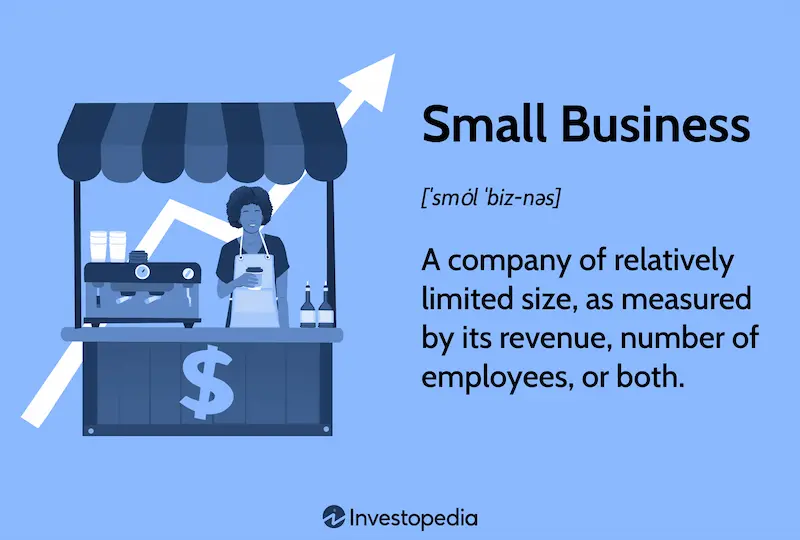
Small business growth refers to the process of expanding your business by increasing sales, gaining new customers, improving operations, and creating more opportunities for success.
Growth can happen in different ways, such as:
- Increasing your customer base
- Launching new products or services
- Expanding into new markets
- Improving brand awareness
- Increasing profits
- Hiring more employees
- Building stronger customer relationships
A growing business is not only about making more money; it is also about creating a strong foundation that allows your company to succeed in the future.
Why Is Small Business Growth Important?
Every business owner wants their company to succeed, but growth is necessary to stay competitive and survive in changing markets.
Here are some reasons why business growth matters:
1. Increase Revenue and Profit
Growth strategies help you attract more customers and generate higher sales. When your business earns more revenue, you can invest in better tools, employees, marketing, and improvements.
2. Build Brand Recognition
A growing business becomes more visible in the market. Strong branding helps customers recognize and trust your company.
3. Stay Ahead of Competitors
Markets are always changing. Businesses that continue improving have a better chance of staying ahead of competitors.
4. Create More Opportunities
Business growth can create opportunities for expansion, partnerships, and new income streams.
5. Improve Customer Value
Growth allows you to improve your products, services, and customer experience.
Best Strategies for Small Business Growth

1. Understand Your Target Customers
The first step toward growth is knowing who your customers are.
Ask yourself:
- Who are my ideal customers?
- What problems do they need to solve?
- What products or services do they need?
- Why should they choose my business?
Understanding your audience helps you create better marketing campaigns and provide products that customers actually want.
2. Create a Strong Online Presence
Today, customers search online before making buying decisions. Having a professional online presence can help your business reach more people.
Important online channels include:
- Business website
- Social media platforms
- Google Business Profile
- Email marketing
- Online reviews
A simple but professional website can increase trust and make it easier for customers to find your business.
3. Improve Your Marketing Strategy
Marketing plays a major role in business growth. Without effective marketing, even a great product may remain unnoticed.
Some useful marketing strategies include:
Content Marketing
Create helpful content such as:
- Blog posts
- Videos
- Guides
- Tutorials
This helps attract customers and build authority.
Social Media Marketing
Use platforms where your customers spend time. Share:
- Product updates
- Customer stories
- Helpful tips
- Behind-the-scenes content
Email Marketing
Email marketing helps you stay connected with existing customers and encourage repeat purchases.
4. Focus on Customer Satisfaction
Happy customers are one of the biggest assets for any small business.
To improve customer satisfaction:
- Provide excellent service
- Respond quickly to questions
- Listen to customer feedback
- Solve problems professionally
- Offer personalized experiences
Satisfied customers are more likely to return and recommend your business to others.
5. Build a Strong Brand Identity
Your brand is more than just a logo. It represents how customers see and remember your business.
A strong brand includes:
- A clear message
- Professional design
- Consistent communication
- Unique value proposition
When customers trust your brand, they are more likely to choose your products over competitors.
6. Offer High-Quality Products or Services
Quality is essential for long-term growth.
Focus on:
- Improving product quality
- Maintaining consistency
- Adding useful features
- Understanding customer needs
A business that delivers value creates loyal customers.
7. Use Customer Feedback to Improve
Your customers can provide valuable information about your business.
Collect feedback through:
- Surveys
- Reviews
- Social media comments
- Direct conversations
Use this information to identify areas where you can improve.
8. Expand Your Product or Service Range
Once your business becomes stable, consider expanding your offerings.
You can:
- Add new products
- Introduce premium options
- Create packages
- Offer additional services
However, expansion should be based on customer demand and proper research.
9. Manage Your Finances Properly
Financial management is one of the most important parts of business growth.
Keep track of:
- Income
- Expenses
- Cash flow
- Profits
- Investments
Good financial planning helps you make smarter decisions and avoid unnecessary risks.
10. Use Technology to Improve Efficiency
Technology can help small businesses save time and reduce costs.
Useful tools include:
- Accounting software
- Customer relationship management (CRM) tools
- Marketing automation tools
- Online payment systems
- Project management software
Using the right technology allows you to focus more on growing your business.
You may also like to read this:
Daily Productivity Tips For Better Time Management
Work Productivity Tips: Boost Focus and Get More Done
Focus Improvement Tips: Boost Concentration Every Day
Productivity Tips For Work: Boost Efficiency Every Day
Business Growth Strategies To Grow Your Business
Common Challenges in Small Business Growth
Growing a business comes with challenges. Understanding them can help you prepare better.
Limited Budget
Many small businesses struggle with limited funds. The solution is to focus on cost-effective strategies and prioritize important investments.
Finding New Customers
Customer acquisition can be difficult. Strong marketing and excellent service can help attract more buyers.
Managing Growth
Rapid growth can create problems if your business is not prepared. Build systems and processes before expanding.
Competition
Large companies may have more resources, but small businesses can compete through better service, personalization, and customer relationships.
How to Measure Small Business Growth
Tracking progress helps you understand whether your strategies are working.
Important growth metrics include:
- Monthly revenue
- Number of customers
- Customer retention rate
- Website traffic
- Social media engagement
- Profit margins
- Sales growth
Regularly reviewing these numbers helps you make better business decisions.
Tips for Long-Term Business Growth
Here are some simple tips to keep your business growing:
- Always focus on customer needs
- Keep learning new skills
- Follow market trends
- Improve your products regularly
- Build strong relationships
- Create a clear business plan
- Invest in marketing
- Stay consistent
Small improvements made every day can create major results over time.
The Future of Small Business Growth
The future of business growth will depend on innovation, technology, and customer-focused strategies. Businesses that adapt quickly and understand changing customer expectations will have better opportunities for success.
Digital marketing, artificial intelligence, automation, and online selling are creating new possibilities for small businesses around the world.
By embracing change and continuously improving, small businesses can compete effectively and achieve long-term growth.
Final Thoughts
Small business growth requires planning, patience, and consistent effort. There is no single strategy that works for every business, but focusing on customers, improving your marketing, managing finances, and adapting to changes can help you build a successful company.
Remember, growth does not always happen overnight. Every new customer, every improvement, and every smart decision brings you one step closer to your business goals.
Start with small actions today, and over time, they can create meaningful growth for your business.
FAQs About Small Business Growth
1. What is the best way to grow a small business?
The best way to grow a small business is to understand your customers, improve your products, build a strong online presence, and use effective marketing strategies.
2. How long does it take for a small business to grow?
Growth time depends on factors like industry, competition, marketing efforts, and business strategy. Some businesses grow quickly, while others require years of consistent effort.
3. How can I attract more customers to my small business?
You can attract more customers through digital marketing, social media, referrals, excellent customer service, and creating valuable content.
4. Is social media important for small business growth?
Yes, social media can help small businesses increase brand awareness, connect with customers, and promote products or services.
5. How can I increase my small business sales?
You can increase sales by improving customer experience, offering valuable products, creating promotions, targeting the right audience, and strengthening your marketing.







[…] are reliable, and make the next step effortless. This conversion-first mindset is central to the small business growth approach we teach, because traffic without enquiries is just expensive […]