

Personal growth goals are the targets you set to improve yourself, develop new skills, build better habits, and create a more meaningful life. Whether you want to become more confident, improve your mindset, learn something new, or achieve personal success, setting clear growth goals can help you move forward with purpose. When you focus on improving yourself step by step, you can create positive changes that last for a lifetime.
Many people want to grow but do not know where to start. The key is to identify what areas of your life need improvement and create realistic goals that guide your progress. Personal growth is not about becoming perfect; it is about becoming better than you were yesterday.
What Are Personal Growth Goals?
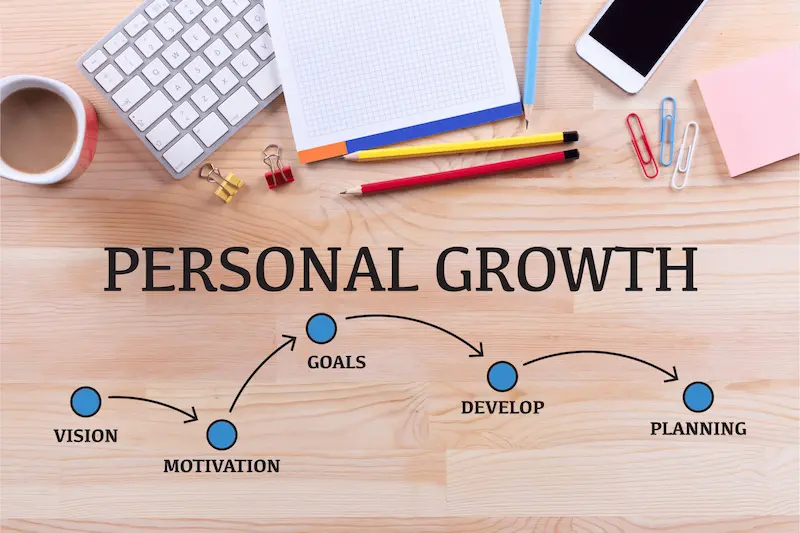
Personal growth goals are objectives that help you improve different areas of your life, including your mindset, skills, relationships, health, career, and emotional well-being. These goals focus on personal development and help you become more aware of your strengths, weaknesses, and opportunities for improvement.
For example, learning a new skill, becoming more organized, improving communication, building confidence, or developing a healthier lifestyle are all examples of personal growth goals.
Unlike short-term goals that focus on quick results, personal growth goals often involve continuous learning and long-term improvement.
Why Are Personal Growth Goals Important?
Setting personal growth goals gives you direction and motivation. Without goals, it can be easy to feel stuck or unsure about your future. When you have clear goals, you know what steps to take and how to measure your progress.
Here are some important benefits of setting personal growth goals:
1. Helps You Understand Yourself Better
Personal growth goals encourage self-reflection. They help you understand your values, interests, strengths, and areas where you want to improve.
2. Builds Confidence
Every time you achieve a small goal, you prove to yourself that you are capable of growth. This builds self-confidence and encourages you to take on bigger challenges.
3. Improves Your Skills
Growth goals motivate you to learn new abilities and improve existing ones. Whether it is communication, leadership, creativity, or problem-solving, continuous learning helps you grow.
4. Creates a Positive Mindset
When you focus on improvement instead of limitations, you develop a more positive and productive way of thinking.
5. Helps You Achieve Success
Clear goals give you a roadmap for success. They help you stay focused and make better decisions in your personal and professional life.
Examples of Personal Growth Goals
Everyone has different areas they want to improve. Here are some common examples of personal growth goals:
Improve Self-Confidence
You can set a goal to become more confident by practicing positive self-talk, improving your skills, and stepping outside your comfort zone.
Develop Better Communication Skills
Good communication helps you build stronger relationships and succeed at work. You can improve by listening actively and expressing your thoughts clearly.
Learn New Skills
Learning a new skill can increase your knowledge and open new opportunities. You might learn a language, technology skill, creative skill, or professional ability.
Build Healthy Habits
Creating healthier habits such as exercising regularly, eating better, sleeping well, and managing stress can improve your overall quality of life.
Improve Time Management
Learning how to manage your time helps you become more productive and reduces stress. You can start by creating schedules and prioritizing important tasks.
Practice Emotional Growth
Emotional growth involves understanding your feelings, managing stress, and developing better relationships with others.
How to Set Effective Personal Growth Goals
Creating goals is easy, but achieving them requires planning and commitment. Follow these steps to create effective personal growth goals.
1. Identify Areas You Want to Improve
Start by thinking about different parts of your life. Ask yourself:
- What skills do I want to develop?
- What habits do I want to change?
- What kind of person do I want to become?
- What challenges are holding me back?
Understanding your needs helps you choose meaningful goals.
2. Make Your Goals Specific
A clear goal is easier to achieve than a general one.
Instead of saying:
“I want to become healthier.”
Create a specific goal:
“I will exercise for 30 minutes five days a week.”
Specific goals give you a clear direction.
3. Set Realistic Goals
Growth takes time. Avoid setting goals that are impossible to achieve quickly. Small and consistent improvements often create the biggest results.
4. Create an Action Plan
Break your goal into smaller steps. A big goal can feel overwhelming, but small actions make progress easier.
For example:
Goal: Improve reading habits
Steps:
- Read 10 pages daily
- Keep a reading list
- Spend 20 minutes reading before bed
5. Track Your Progress
Monitoring your progress helps you stay motivated. Keep a journal, checklist, or planner to record your achievements and challenges.
6. Stay Consistent
Success comes from regular effort. Even small actions every day can create major changes over time.
Personal Growth Goals for Different Areas of Life
Personal Development Goals
- Practice self-discipline
- Improve confidence
- Develop a positive mindset
- Become more organized
Career Growth Goals
- Learn professional skills
- Improve leadership abilities
- Build a strong network
- Take career-related courses
Health and Wellness Goals
- Exercise regularly
- Improve eating habits
- Get enough sleep
- Practice stress management
Relationship Goals
- Improve communication
- Spend quality time with loved ones
- Become a better listener
- Build healthier relationships
Financial Growth Goals
- Create a budget
- Save money regularly
- Learn financial management
- Develop better spending habits
You may also like to read this:
Personal Growth Tips: Improve Yourself Every Day
Self Improvement Habits: Daily Tips For Personal Growth
Personal Development Skills To Improve Your Life
Confidence Building Tips To Boost Self-Belief & Success
Positive Mindset Habits To Improve Your Life
Common Mistakes When Setting Growth Goals
While setting goals is important, many people make mistakes that slow down their progress.
Setting Too Many Goals at Once
Trying to improve everything at the same time can lead to stress. Focus on a few important goals first.
Expecting Quick Results
Personal growth requires patience. Real change happens through consistent effort.
Comparing Yourself to Others
Everyone has a different journey. Focus on your own progress instead of comparing yourself with others.
Giving Up After Failure
Mistakes are part of growth. Learn from setbacks and continue moving forward.
How to Stay Motivated While Working on Personal Growth Goals
Staying motivated can be challenging, but these strategies can help:
- Celebrate small achievements
- Remind yourself why your goal matters
- Surround yourself with positive people
- Create a daily routine
- Focus on progress instead of perfection
Remember, growth is a journey, not a destination. Every small step you take brings you closer to becoming a better version of yourself.
Final Thoughts
Personal growth goals help you improve yourself, build confidence, develop valuable skills, and create a more successful and fulfilling life. When you set meaningful goals and take consistent action, you can transform your habits, mindset, and future.
Start with one small goal today. Focus on progress, stay patient, and keep learning. Over time, these small improvements will create lasting positive changes in your life.
FAQs About Personal Growth Goals
1. What are personal growth goals?
Personal growth goals are goals that help you improve yourself, develop skills, build better habits, and become a better version of yourself.
2. Why are personal growth goals important?
They provide direction, increase motivation, improve confidence, and help you achieve personal and professional success.
3. How can I create personal growth goals?
Identify areas you want to improve, set clear goals, create an action plan, and track your progress regularly.
4. What are some examples of personal growth goals?
Examples include improving confidence, learning new skills, managing time better, developing healthy habits, and improving communication.
5. How long does it take to achieve personal growth goals?
The time depends on the goal and your effort. Some goals may take weeks, while others require months or years of continuous improvement.