
Introduction
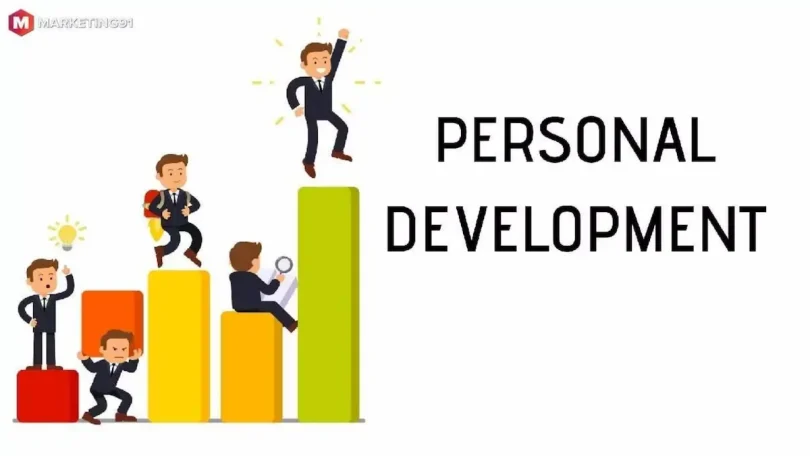
Personal development skills are the abilities and habits that help you improve your mindset, behavior, confidence, and overall quality of life. Whether you want to become more successful in your career, build better relationships, or simply become a better version of yourself, developing these skills can make a big difference. Personal growth is a continuous journey, and by focusing on the right skills, you can create positive changes that last for years.
Everyone has areas where they can improve. You may want to manage your time better, communicate more clearly, handle stress, or become more confident. The good news is that these skills can be learned and improved with consistent effort.
What Are Personal Development Skills?
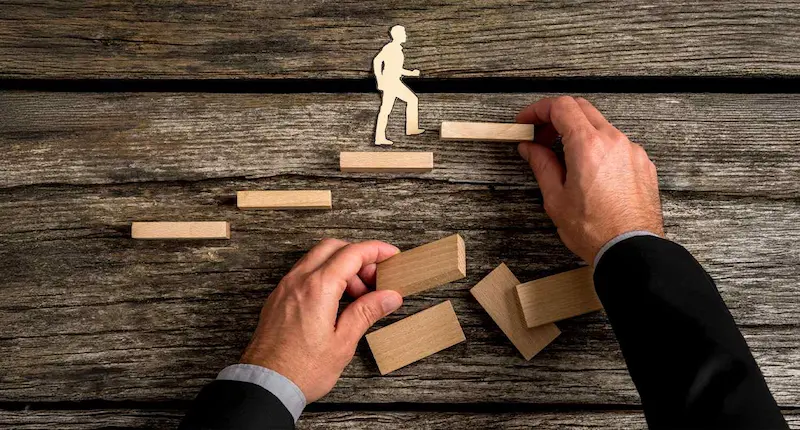
Personal development skills are the qualities and abilities that help you grow personally and professionally. These skills allow you to understand yourself better, make smarter decisions, solve problems, and achieve your goals.
Unlike technical skills that are specific to a job or task, personal development skills focus on your personality, habits, and behavior. They help you become more adaptable, productive, and confident in different situations.
Why Are Personal Development Skills Important?
Improving yourself is one of the best investments you can make. Strong personal development skills can help you:
- Build self-confidence
- Improve communication with others
- Increase productivity
- Make better decisions
- Manage challenges effectively
- Achieve personal and career goals
- Develop a positive mindset
When you work on yourself, you become better prepared to face changes and opportunities in life.
Top Personal Development Skills You Should Develop
1. Self-Awareness
Self-awareness is the ability to understand your thoughts, emotions, strengths, and weaknesses. It helps you recognize what motivates you and what areas need improvement.
By becoming more self-aware, you can make better choices and understand how your actions affect others.
How to improve self-awareness:
- Reflect on your daily experiences
- Ask for honest feedback
- Identify your strengths and weaknesses
- Practice mindfulness
2. Communication Skills
Good communication is essential in both personal and professional life. Being able to express your ideas clearly and listen actively can improve your relationships and prevent misunderstandings.
Strong communication skills include:
- Speaking clearly
- Listening carefully
- Understanding body language
- Sharing ideas confidently
Improving your communication can help you connect with people more effectively.
3. Time Management
Time is one of your most valuable resources. Learning how to manage your time helps you complete tasks efficiently and reduces stress.
Effective time management includes:
- Setting priorities
- Creating daily schedules
- Avoiding unnecessary distractions
- Breaking large tasks into smaller steps
When you manage your time well, you create more opportunities for growth.
4. Confidence Building
Confidence helps you believe in your abilities and take action toward your goals. A confident person is more willing to try new things and overcome challenges.
You can build confidence by:
- Celebrating small achievements
- Learning new skills
- Maintaining positive self-talk
- Stepping outside your comfort zone
Remember that confidence grows through experience and practice.
5. Problem-Solving Skills
Life often brings unexpected challenges. Strong problem-solving skills help you analyze situations and find effective solutions.
To improve problem-solving:
- Stay calm during difficulties
- Look at problems from different perspectives
- Consider possible solutions
- Learn from past mistakes
A good problem solver sees challenges as opportunities to learn.
6. Emotional Intelligence
Emotional intelligence is the ability to understand and manage your emotions while also recognizing the feelings of others.
People with high emotional intelligence can:
- Control their reactions
- Handle stress better
- Build stronger relationships
- Show empathy toward others
Developing emotional intelligence can improve both your personal and professional life.
7. Adaptability
The world is constantly changing, and adaptability helps you handle new situations with confidence. Being flexible allows you to learn, grow, and adjust when things do not go as planned.
You can become more adaptable by:
- Staying open to new ideas
- Learning continuously
- Accepting change
- Developing a growth mindset
8. Leadership Skills
Leadership is not only for managers or business owners. Everyone can benefit from leadership skills in daily life.
Good leadership involves:
- Taking responsibility
- Supporting others
- Making decisions
- Inspiring confidence
Developing leadership skills can help you become more effective in your personal and professional roles.
9. Goal Setting
Goals give direction and motivation. Without clear goals, it can be difficult to measure progress.
Effective goal setting involves:
- Creating realistic goals
- Setting deadlines
- Tracking progress
- Staying committed
Clear goals help you stay focused and motivated.
10. Continuous Learning
Successful people understand that learning never stops. Developing a habit of continuous learning helps you stay competitive and improve your abilities.
You can continue learning by:
- Reading books
- Taking online courses
- Learning from experienced people
- Practicing new skills
Every new skill you learn brings you closer to personal growth.
You may also like to read this:
Personal Growth Tips: Improve Yourself Every Day
Self Improvement Habits: Daily Tips For Personal Growth
Confidence Building Tips To Boost Self-Belief & Success
Positive Mindset Habits To Improve Your Life
How to Improve Your Personal Development Skills
Improving yourself requires patience and consistency. Here are some simple steps you can follow:
Create a Personal Growth Plan
Identify the areas you want to improve and create a step-by-step plan. Focus on one or two skills at a time instead of trying to change everything at once.
Develop Positive Habits
Small daily habits can create big results over time. Try habits like reading, exercising, journaling, or practicing gratitude.
Learn From Mistakes
Mistakes are a natural part of growth. Instead of feeling discouraged, use them as lessons that help you improve.
Surround Yourself With Positive People
The people around you can influence your mindset and motivation. Spend time with individuals who encourage growth and positivity.
Track Your Progress
Keep a record of your improvements. Tracking your progress helps you stay motivated and recognize how far you have come.
Personal Development Skills for Career Success
In the workplace, personal development skills can help you stand out and achieve professional growth. Employers value people who can communicate well, solve problems, work with teams, and adapt to change.
Important career-related personal development skills include:
- Leadership
- Teamwork
- Time management
- Communication
- Creativity
- Emotional intelligence
- Decision-making
By improving these skills, you can increase your chances of career advancement.
Common Mistakes to Avoid During Personal Growth
While working on yourself, avoid these common mistakes:
- Expecting instant results
- Comparing yourself with others
- Ignoring feedback
- Trying to improve too many things at once
- Giving up after failure
Personal growth takes time, so focus on progress rather than perfection.
Benefits of Developing Personal Skills
Building strong personal development skills can help you:
- Become more confident
- Improve your relationships
- Handle stress effectively
- Achieve your goals faster
- Increase your self-discipline
- Create a more successful and fulfilling life
The more you invest in yourself, the more opportunities you create.
Conclusion
Personal development skills play an important role in helping you become a stronger, more confident, and successful person. By improving skills like communication, self-awareness, time management, emotional intelligence, and adaptability, you can make positive changes in every area of your life.
Remember, personal growth is not about becoming perfect. It is about becoming better every day. Start with small steps, stay consistent, and continue learning. Over time, these improvements can transform the way you think, work, and live.
FAQs About Personal Development Skills
1. What are personal development skills?
Personal development skills are abilities that help you improve yourself, including communication, confidence, time management, emotional intelligence, and problem-solving.
2. Why are personal development skills important?
These skills help you grow personally and professionally, improve relationships, increase confidence, and achieve your goals more effectively.
3. How can I improve my personal development skills?
You can improve them by setting goals, learning new things, practicing positive habits, seeking feedback, and reflecting on your progress.
4. What are the most important personal development skills?
Some of the most important skills include communication, self-awareness, adaptability, leadership, emotional intelligence, and time management.
5. How long does it take to develop personal skills?
Personal development is a lifelong process. With regular practice and commitment, you can see noticeable improvements over time.